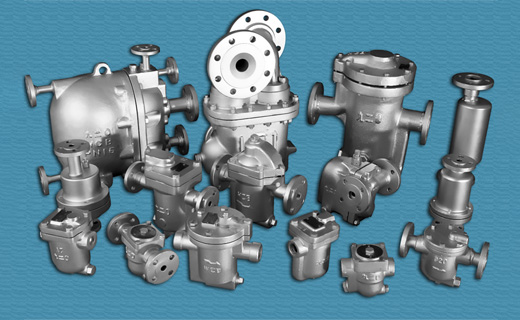
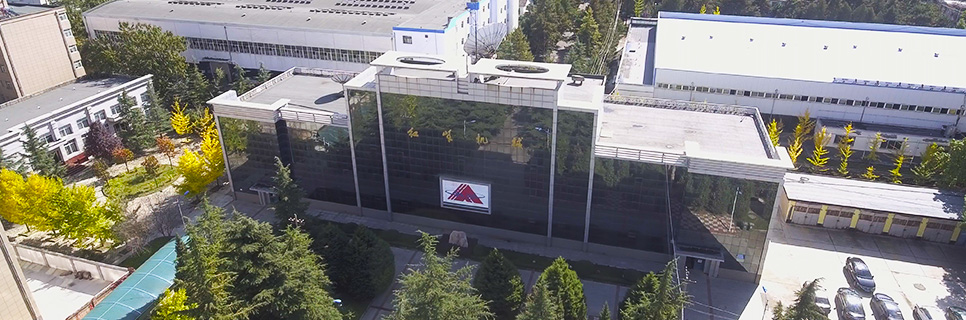
Gansu Hongfeng Machinery Co., Ltd., located in Pingliang City, Gansu Province, is a high-tech enterprise restructured and reorganized from the large-scale second-class military enterprise, the state-owned 920 Factory. It specializes in the research, development, and manufacturing of energy-saving products such as drain valves and condensate water recovery devices.
In the course of specializing in the production of energy-saving products and energy-saving devices such as traps and condensate recovery devices, "Hongfeng" takes the revitalization of the national equipment manufacturing industry and the creation of a national brand of traps as its own responsibility, closely tracks the development trends of science and technology and production trends, adheres to the technological innovation strategy of "no one has me, no one has me, no one has me, and I am new", and has realized the transformation from technology introduction, reference and absorption to independent innovation and independent development.
Based on the strict requirements of the steam system for the reliability, stability, durability and safety of pump and valve equipment, the company has established a complete set of quality assurance and control systems including procurement management, production control, performance verification, quality inspection, after-sales service, etc., and wholeheartedly escorts high-quality products.
We always respect and love our customers, and regard them as friends and siblings, and dedicate perfect services with a grateful heart, because customers are the pillar and source of our career success.
For more information?
Contact UsIn modern industrial development, the excessive pursuit of economic growth has often come at the expense of environmental and energy considerations, placing considerable strain on global resources. As energy challenges grow more pressing, energy conservation and emission reduction have become national priorities.
Steam is often regarded as the "lifeblood" of modern industry. As industrial economies expand, steam systems continue to evolve. Compared with alternative energy carriers, steam offers competitive acquisition, installation, operation, and maintenance costs, which has contributed to its widespread adoption across industries.
In steam?using equipment, condensate forms when latent heat is released. Steam traps automatically separate this condensate from steam and discharge it from the system. Although traps are sometimes perceived as minor components relative to the equipment they serve, they play a meaningful role in energy conservation.
The first energy?saving function of a steam trap is to remove condensate promptly, helping maintain heating efficiency, prevent condensate buildup, and preserve steam space within the equipment.
The second function is to vent initial air and low?temperature condensate at startup, reducing warm?up time.
The third function is to minimize the trap's own steam consumption, which includes both operating steam requirements and heat losses.
In essence, a steam trap automatically distinguishes between steam and condensate, opening and closing accordingly. Its operation is based on differences in density and temperature between steam and water, with various actuation principles available. Energy conservation through steam trapping ultimately means saving steam, which benefits both production efficiency and cost control, while also supporting broader economic and social development.
Key energy?saving practices related to steam traps include:
1.Preventing steam leakage.
2.Avoiding blockages or similar issues.
3.Recovering and reusing condensate.
Selecting the appropriate trap type and capacity, ensuring correct installation and use, and maintaining the system properly are fundamental to achieving energy savings.
Gansu Hongfeng Machinery Co., Ltd. leverages its expertise to provide quality products and services to steam users nationwide, supporting improved equipment performance and system efficiency, energy conservation, environmental protection, and sustainable social development.